
This page contains affiliate links to Card Hedge. If you click on one of these links and sign up for a subscription, I may receive a commission. This helps support my work at no additional cost to you. I only recommend tools like Card Hedge because I believe they provide valuable market transparency for the hobby.
Disclaimer: This update is based on historical data and current market trends for informational purposes only. It is not intended as financial advice. I recommend doing your own research before making any investment decisions. Note: Images may not reflect specific grades and are provided via Card Hedge.
Collecting sports cards can be an exhilarating hobby, whether you’re an enthusiastic collector or an investor looking to turn a profit. Knowing the value of your cards is crucial for both buying and selling. One effective tool for assessing sports card values is Card Hedge. Here’s a step-by-step guide to using Card Hedge to find the value of your sports cards.
What is Card Hedge?
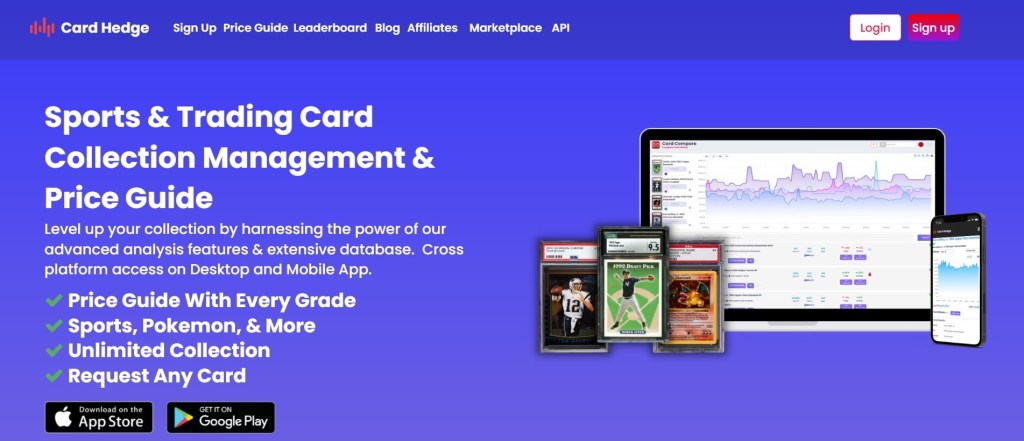
Card Hedge is a comprehensive online platform designed to help collectors and investors track the value of their sports cards. It provides real-time pricing data, historical trends, and market analysis, making it an invaluable resource for anyone in the card collecting community.
Steps to Find Card Values
1. Create an Account
To get started, visit the Card Hedge website and create an account. Signing up is straightforward and typically involves providing an email address and setting a password. Some features may require a subscription, so review the options to choose what best suits your needs.
2. Search for Your Card
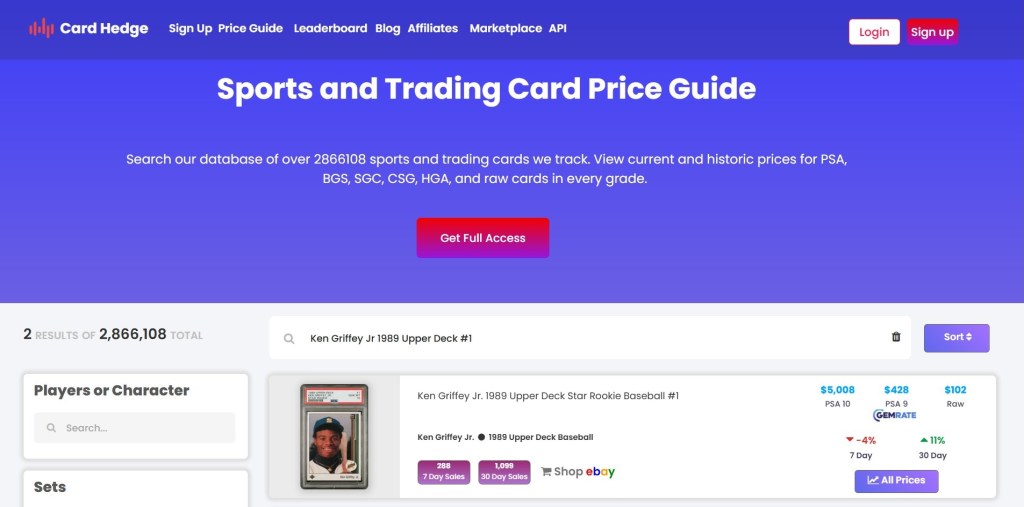
Once you have access to the platform, use the search bar to find the specific card you’re interested in. Enter details such as the player’s name, the year, the card brand, and any unique identifiers like a card number. This helps narrow down the search results and provides more accurate valuations.
3. Review Pricing Data
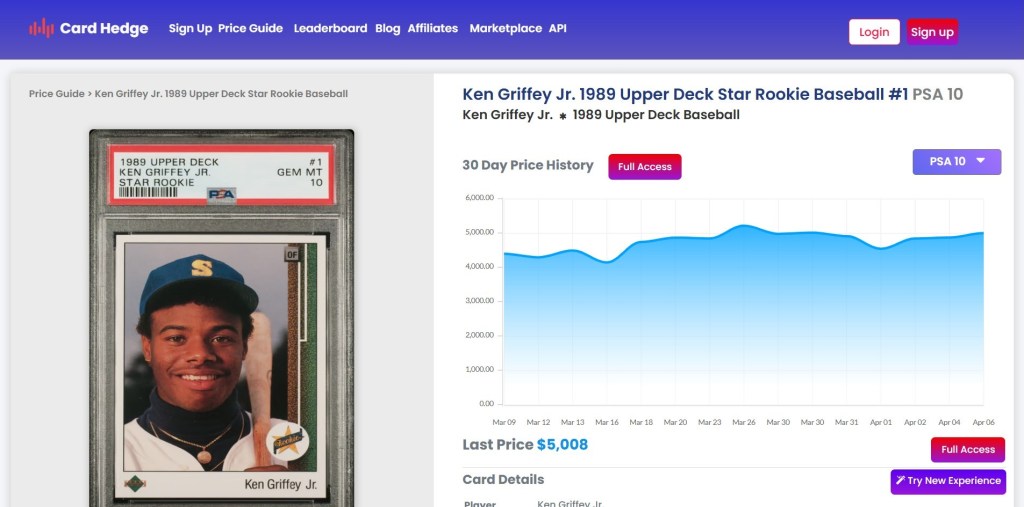
After locating your card, you’ll be presented with comprehensive pricing data. The key features include:
- Current Market Value: The platform provides an estimate of the card’s current market value based on recent sales.
- Historical Trends: You can view a graph displaying the card’s price fluctuations over time, which can be helpful to identify trends and make informed decisions.
- Sales Comparisons: Card Hedge compiles data from various marketplaces, allowing you to compare sales prices across different platforms.
4. Analyze the Market
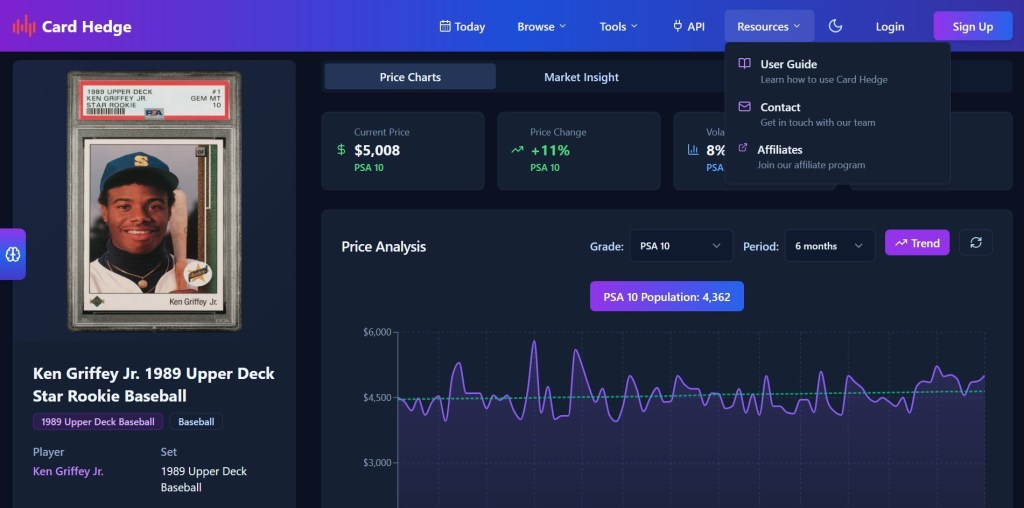
Use the insights provided by Card Hedge to understand the market dynamics of your card. Pay attention to factors such as:
- Condition: The card’s condition greatly influences its value. Card Hedge often includes data for different condition grades.
- Rarity and Demand: Check how frequently the card is sold and its demand among collectors.
- Player Performance: A player’s current performance can impact the card’s value, especially for modern cards.
5. Update Your Collection
If you’re using Card Hedge to manage your collection, make sure to add the card to your digital inventory. This helps track changes in value over time and provides a comprehensive overview of your collection’s worth.
6. Stay Informed
Card Hedge offers additional resources such as articles, market analysis, and community forums. Staying informed about trends and market shifts can provide a competitive edge in the dynamic world of card collecting.
Conclusion
Card Hedge is a robust tool that can greatly enhance your sports card collecting experience. By providing real-time data and analysis, it enables collectors and investors to make informed decisions about buying, selling, and valuing their cards. Whether you’re new to the hobby or a seasoned collector, leveraging platforms like Card Hedge can help you stay ahead in the ever-evolving sports card market.
Sign up for Card Hedge here and start pricing like a pro. This tool will help you stay ahead of the game and ensure your collection remains a valuable asset.
 Sports Card Mailday
Leave a comment